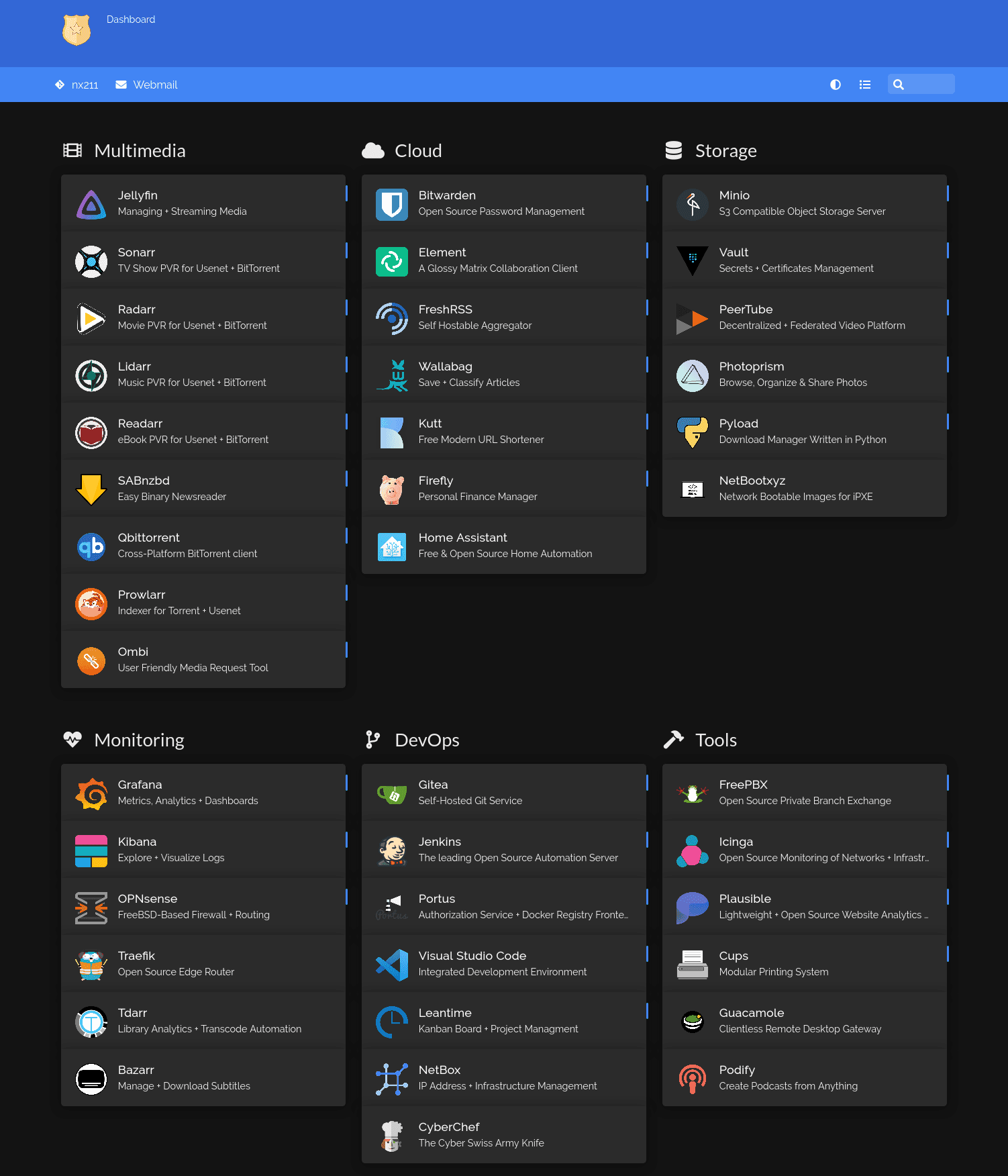
The Benefits and Disadvantages of Self-Hosting Your Digital Life
In today's digital age, we rely on a vast array of services to manage our online lives such as email, cloud storage, calendars, and social media. However, an increasing number of people are considering self-hosting their digital services. Self-hosting refers to setting up and maintaining your own servers or using personal hardware to run applications, rather than relying on third-party providers like Google, Microsoft, or Amazon. But, is it worth the effort? Let's explore the pros and cons of self-hosting your digital life.
Benefits of Self-Hosting
1. Full Control and Customization
Self-hosting gives you complete control over your data and the software you use. You can choose exactly what applications and services you run, how they're configured, and how they interact with each other. For example, you can host your own email server or cloud storage solution, selecting open-source software that suits your privacy needs.
2. Enhanced Privacy
When you self-host, your data stays with you. There's no need to trust a third party with sensitive information. This is particularly beneficial if you're concerned about data collection practices, surveillance, or want to avoid sharing personal information with commercial entities. You control who has access to your data and how it's handled.
3. Cost Efficiency
While the initial setup cost for self-hosting can be high, it can be cheaper in the long run. Many popular cloud services charge ongoing subscription fees, which add up over time. By self-hosting, you could eliminate or reduce these recurring costs, especially if you already own the hardware or can use free/open-source software.
4. Learning and Skill Development
Self-hosting offers a steep learning curve, which can be rewarding for those interested in developing technical skills. You'll gain experience in server management, networking, and troubleshooting, which can be valuable whether you're an IT professional or simply a tech enthusiast.
5. No Vendor Lock-in
Self-hosting removes the risk of vendor lock-in. If a service provider changes its terms, discontinues a product, or goes out of business, you're not at the mercy of their decisions. You have the freedom to migrate your data and services at will.
Disadvantages of Self-Hosting
1. Technical Complexity
Setting up and maintaining self-hosted services can be complex, especially for those without a technical background. You'll need to understand server administration, security protocols, networking and most likely know a decent amount of Linux! Misconfigurations can lead to security vulnerabilities, especially when your service is ran over the internet or service downtime, making it more challenging to keep everything running smoothly.
2. Ongoing Maintenance and Updates
Once your server is up and running, you'll need to maintain it. This includes applying software updates, ensuring backups are functioning correctly, monitoring server performance, and handling any issues that arise. Unlike third-party services, you're responsible for everything, which can become time-consuming.
3. Security Risks
Running your own server exposes you to potential security threats. While self-hosting gives you control over security measures, it also means you must stay on top of patches, monitor for vulnerabilities, and safeguard against hacking attempts. Poorly configured servers can be a target for malicious actors and can lead to your data being stolen, deleted or held against you in the case of ransomeware attacks.
4. Limited Resources
Self-hosting usually means using your own hardware, which might not be as powerful or reliable as cloud services provided by large companies. You might face limitations in terms of storage, bandwidth, and uptime, especially if you are using consumer-grade equipment or a home internet connection with limited speeds.
5. Lack of Support
Unlike commercial cloud services, which often offer customer support, self-hosting provides no official help when things go wrong. You'll need to troubleshoot issues yourself or rely on online communities for support, which can be frustrating and time-consuming.
6. Power and Internet Reliability
If your internet connection or power goes down, your self-hosted services go offline too. This is not the case with commercial services that offer data centers with redundant systems and 24/7 support to minimise downtime.
Conclusion
Self-hosting your digital life offers significant control, privacy, and cost-saving benefits, but it comes with a steep learning curve and ongoing responsibilities. If you value privacy, want more customisation options, and are willing to invest time into learning and maintaining the system, self-hosting can be an excellent choice. However, it's not for everyone. Those who prefer convenience, reliable support, and ease of use might find third-party cloud services a better fit.
Before making the leap to self-hosting, carefully weigh the benefits against the challenges to determine if it's the right approach for your digital life.